Archives
- 2026-07
- 2026-06
- 2026-05
- 2026-04
- 2026-03
- 2026-02
- 2026-01
- 2025-12
- 2025-11
- 2025-10
- 2025-09
- 2025-03
- 2025-02
- 2025-01
- 2024-12
- 2024-11
- 2024-10
- 2024-09
- 2024-08
- 2024-07
- 2024-06
- 2024-05
- 2024-04
- 2024-03
- 2024-02
- 2024-01
- 2023-12
- 2023-11
- 2023-10
- 2023-09
- 2023-08
- 2023-06
- 2023-05
- 2023-04
- 2023-03
- 2023-02
- 2023-01
- 2022-12
- 2022-11
- 2022-10
- 2022-09
- 2022-08
- 2022-07
- 2022-06
- 2022-05
- 2022-04
- 2022-03
- 2022-02
- 2022-01
- 2021-12
- 2021-11
- 2021-10
- 2021-09
- 2021-08
- 2021-07
- 2021-06
- 2021-05
- 2021-04
- 2021-03
- 2021-02
- 2021-01
- 2020-12
- 2020-11
- 2020-10
- 2020-09
- 2020-08
- 2020-07
- 2020-06
- 2020-05
- 2020-04
- 2020-03
- 2020-02
- 2020-01
- 2019-12
- 2019-11
- 2019-10
- 2019-09
- 2019-08
- 2019-07
- 2019-06
- 2019-05
- 2019-04
- 2018-07
-
In fact most PIs are susceptible to substitutions
2021-11-22
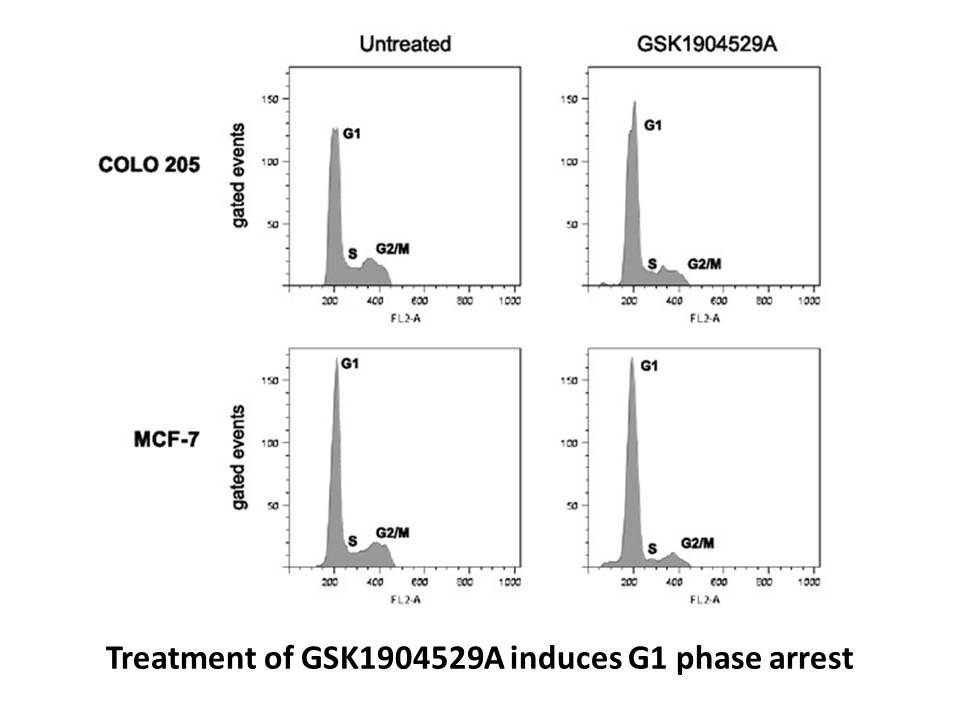
In fact, most PIs are susceptible to substitutions at Asp168, which are often present in patients who fail therapy (Pawlotsky, 2016). Notably, the polymorphism Gln168 at this position underlies reduced efficacy of PIs against GT3 (Soumana et al., 2016a). Glecaprevir and voxilaprevir have improved re
-
Indeed GSTP mRNA appears to be
2021-11-22
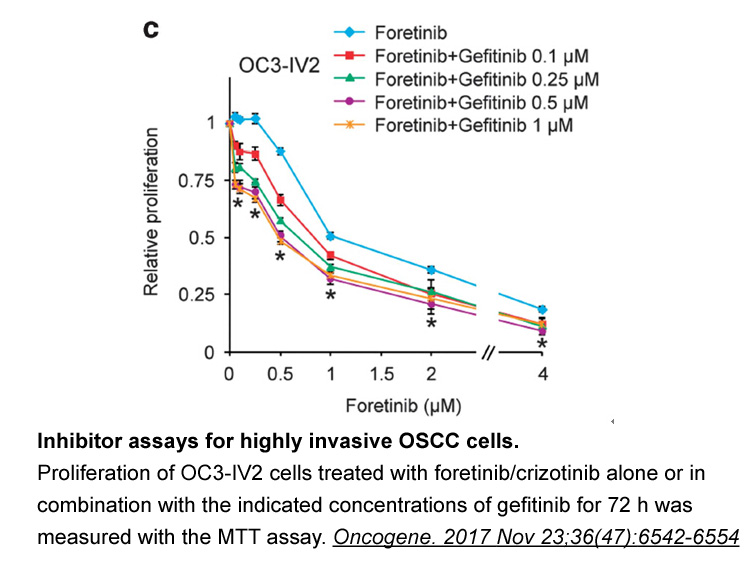
Indeed GSTP1-1 mRNA appears to be already highly stable in K562 leukemia GSK591 with a half-live of more then 40h which is even further increasing to 92h after hemin treatment and erythroid differentiation. Previous reports quantified GST mRNA half-lives which depend on the cellular model and the e
-
BRD 7552 Glutathione in reduced form GSH the
2021-11-22
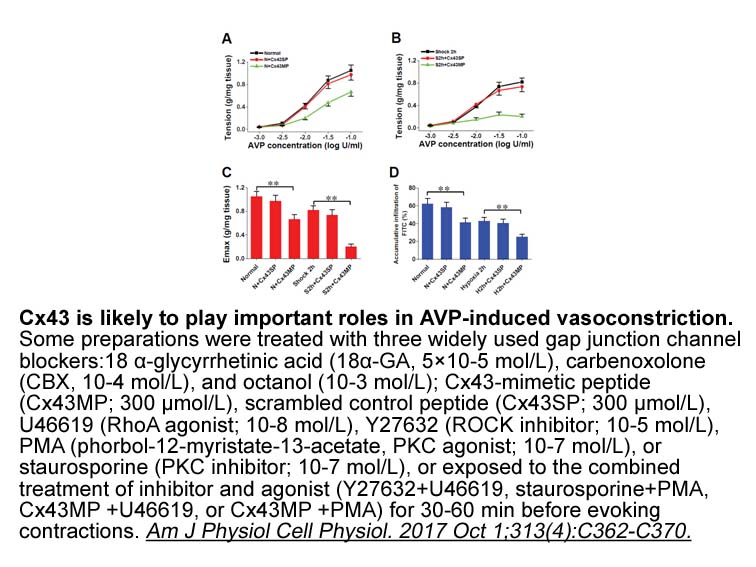
Glutathione in reduced form (GSH, the tripeptide, γ-glutamyl cysteinyl glycine) is a non-enzymatic low-molecular-weight antioxidant necessary for the maintenance of a cellular redox state (Noctor et al., 2012). At the stage of the transition from germination to seedling growth the process of cell di
-
Two genes PATL and RASSF
2021-11-22
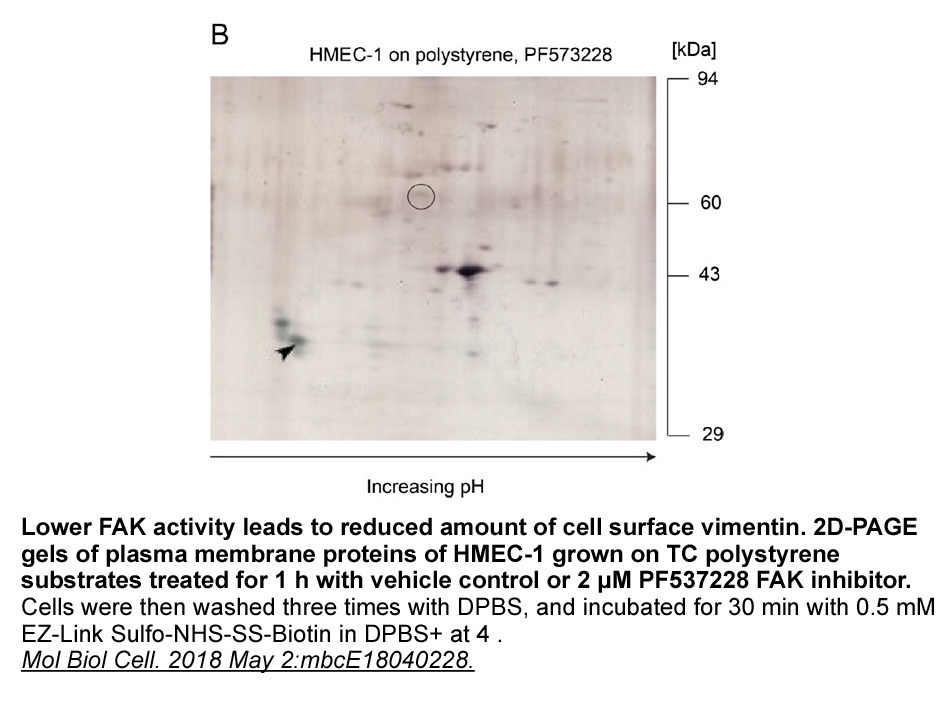
Two genes (PATL2 and RASSF1), whose relationship to HIV infection had not previously been reported, were identified in this study. Although PATL2 and RASSF1 have been implicated in cell division and tumor suppression, respectively (Scheller et al., 2007, Rather et al., 2014, Liu et al., 2002), their
-
The ketone body receptor HCA is most likely
2021-11-22
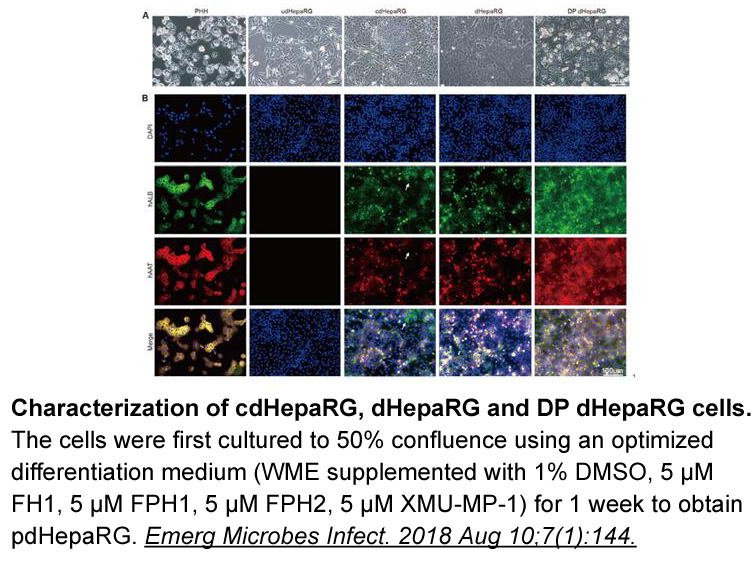
The ketone body receptor HCA2 is most likely not active under normal conditions, since local levels and plasma levels of ketone bodies such as β-HB are too low to activate the receptor. However, overnight fasting or prolonged starvation results in plasma levels of the ketone body in the millimolar r
-
As a part of our continuing efforts towards discovery
2021-11-22
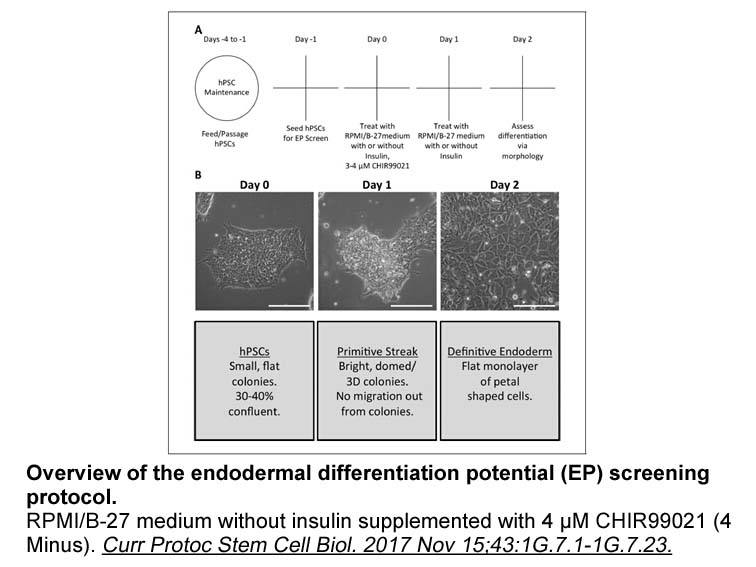
As a part of our continuing efforts towards discovery of new class of compounds against different therapeutic areas and based on the literature reports, we designed a dual pharmacophore which possess a long aliphatic chain of free fatty acids and a phenyl propanoid part of known GPR40 agonists. Here
-
Such responses have led to the idea
2021-11-22
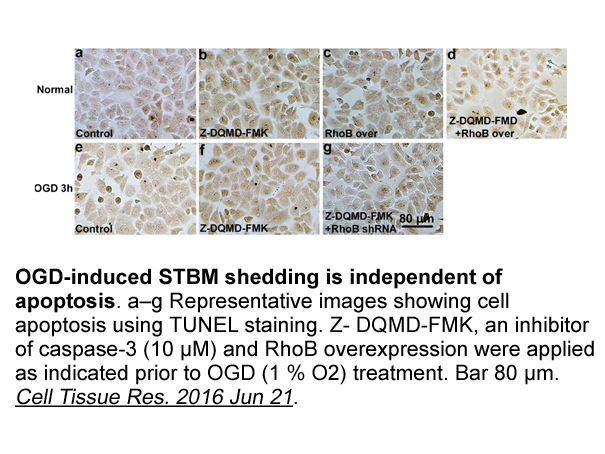
Such responses have led to the idea that elasmobranchs may be glucose intolerant. However, certain species, such as the North Pacific spiny dogfish (Squalus suckleyi; note that the species used in this study was previously referred to as Squalus acanthias but a study by Ebert et al. (2010) provided
-
This excellent tolerability is especially interesting in
2021-11-22
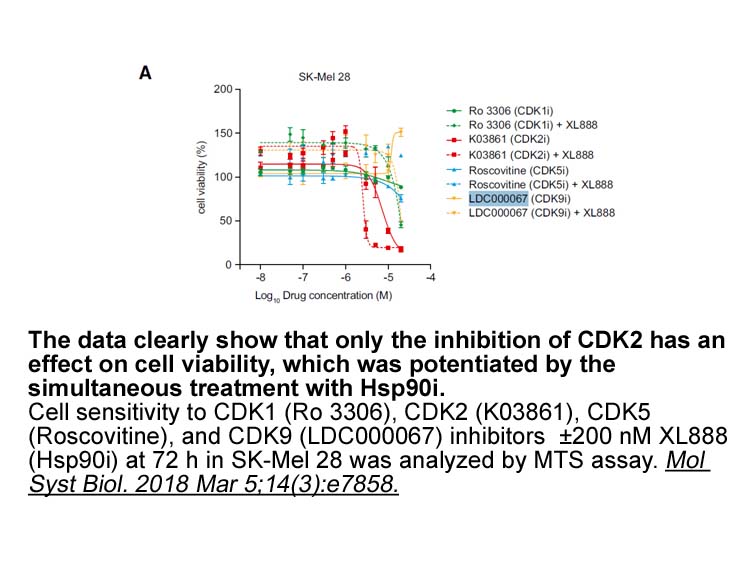
This excellent tolerability is especially interesting in the light of the fact that intravenous administration of liposomal ponatinib was predicted to yield much higher plasma concentrations as compared to the orally administered free drug. In addition, liposomal drug dose in absolute numbers was te
-
br Conclusion In conclusion rats in
2021-11-22

Conclusion In conclusion, rats in this model of HELLP syndrome demonstrated increased placental and circulating FasL and increased placental Fas when compared to NP rats. Administration of an ETA receptor antagonist to HELLP rats tended to decrease circulating FasL and placental Fas, while not af
-
7-Ethoxyresorufin The imidazopyridines and related imidazopy
2021-11-20
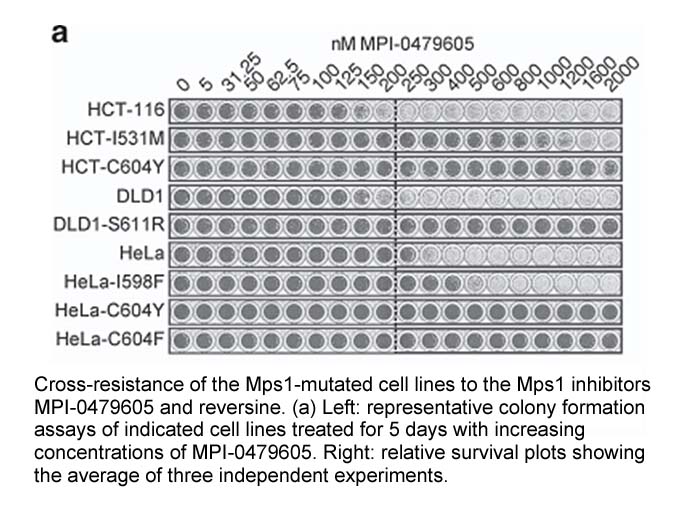
The imidazopyridines and related imidazopyrimidines – and – were constructed from the key amine intermediates – ( X=CH and Ar=2-FPh, X=N and Ar=2-FPh, X=CH and Ar=5-pyrimidine, X=CH and Ar=2-methyl-5-pyrimidine, and X=CF and Ar=2-methyl-5-pyrimidine). These were synthesized a modified Horner–Em
-
br Medium and long chain fatty acid receptors br
2021-11-20
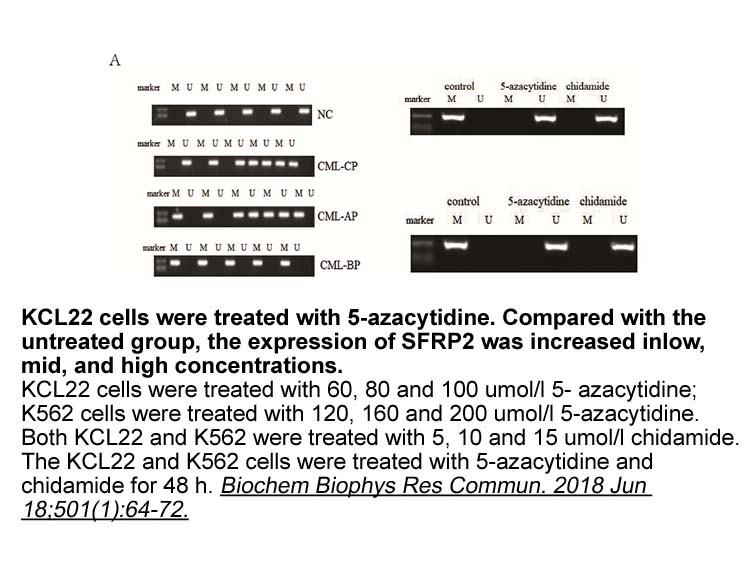
Medium- and long-chain fatty IC261 australia receptors Clinical studies of ω3 fatty acids Clinical studies have established that dietary intake of ω3 fatty acids should be around 4g/day for treating very high triglyceride levels (≥5.7mmol/L) [36]. Low-dose supplementation with EPA + DHA (400m
-
The use of HIV peptide epitope based vaccines is
2021-11-20
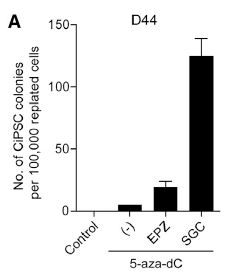
The use of HIV-1 peptide epitope-based vaccines is safer and cheaper than live or inactivated vaccines [8]. However, peptide epitope vaccines could show poor immunogenicity and have poor uptake by APCs [9]. Nevertheless, nanocarrier-based delivery platforms have been demonstrated to enhance the pept
-
Based on our finding that TFA
2021-11-20
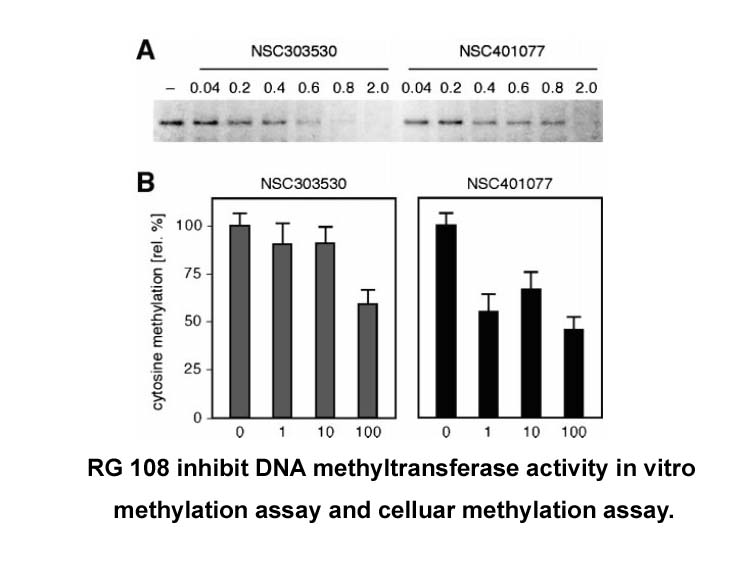
Based on our finding that TFA modulates GlyR function and reports that TFA-bound Anisodamine can differ markedly from those synthesized without TFA, we retested a previously published dodecapeptide (D12-116) that also enhanced GlyR function but this time as a chloride salt (Tipps et al., 2010). No
-
br Conflicts of interest br Acknowledgments This work was su
2021-11-19
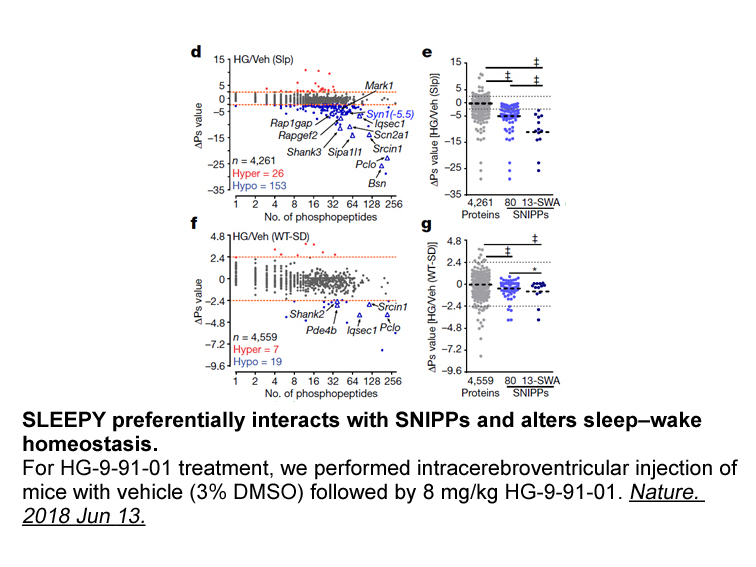
Conflicts of interest Acknowledgments This work was supported by the following funds: National Natural Science Foundation of China (81502222); Natural Science Foundation of Hubei Province (2013CFB370); Training program for Wuhan young and middle-aged medical backbone personnel (2017–51). In
-
br FREE FATTY ACID RECEPTOR GPR br G PROTEIN COUPLED
2021-11-19
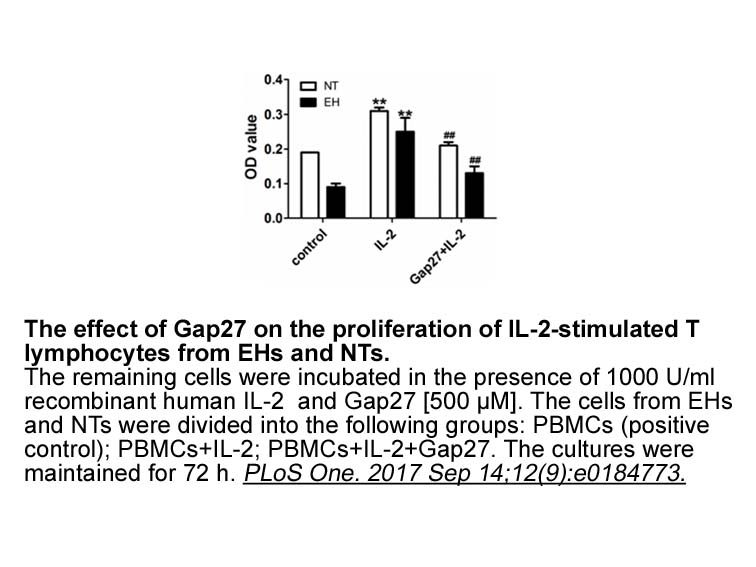
FREE FATTY ACID RECEPTOR 1 (GPR40) G-PROTEIN-COUPLED RECEPTOR 120 CONCLUSION Free fatty Chlorhexidine digluconate receptors whose natural ligands are identified as FFAs having various lengths have been reported. They act as novel nutrient sensing receptors independent of PPARs and FABPs, an
15528 records 542/1036 page Previous Next First page 上5页 541542543544545 下5页 Last page